You have two quotes on the desk for the same catalogue.
One is four times the other. Neither is wrong.
This happens constantly, and it's the reason most conversations about photography budgets go badly. The two quotes aren't priced differently because one photographer is greedy; they're priced differently because they're quoting for two different jobs, and the brief didn't provide enough information to tell them apart.
Here is how a commercial quote is actually constructed, so you can read one properly.
You are not buying photographs
The first thing worth correcting, because everything else follows from it: you are not buying images. You are buying a solved problem and a licence to use the result. The photographs are the receipt.
The problem is usually some version of make this object look like what it is worth. That's a harder problem for some objects than others, and it's harder for some uses than others. The price tracks the difficulty of the problem and the value of the use — not the number of times a shutter fires.
Once you see a quote that way, the variance stops looking arbitrary.
For example
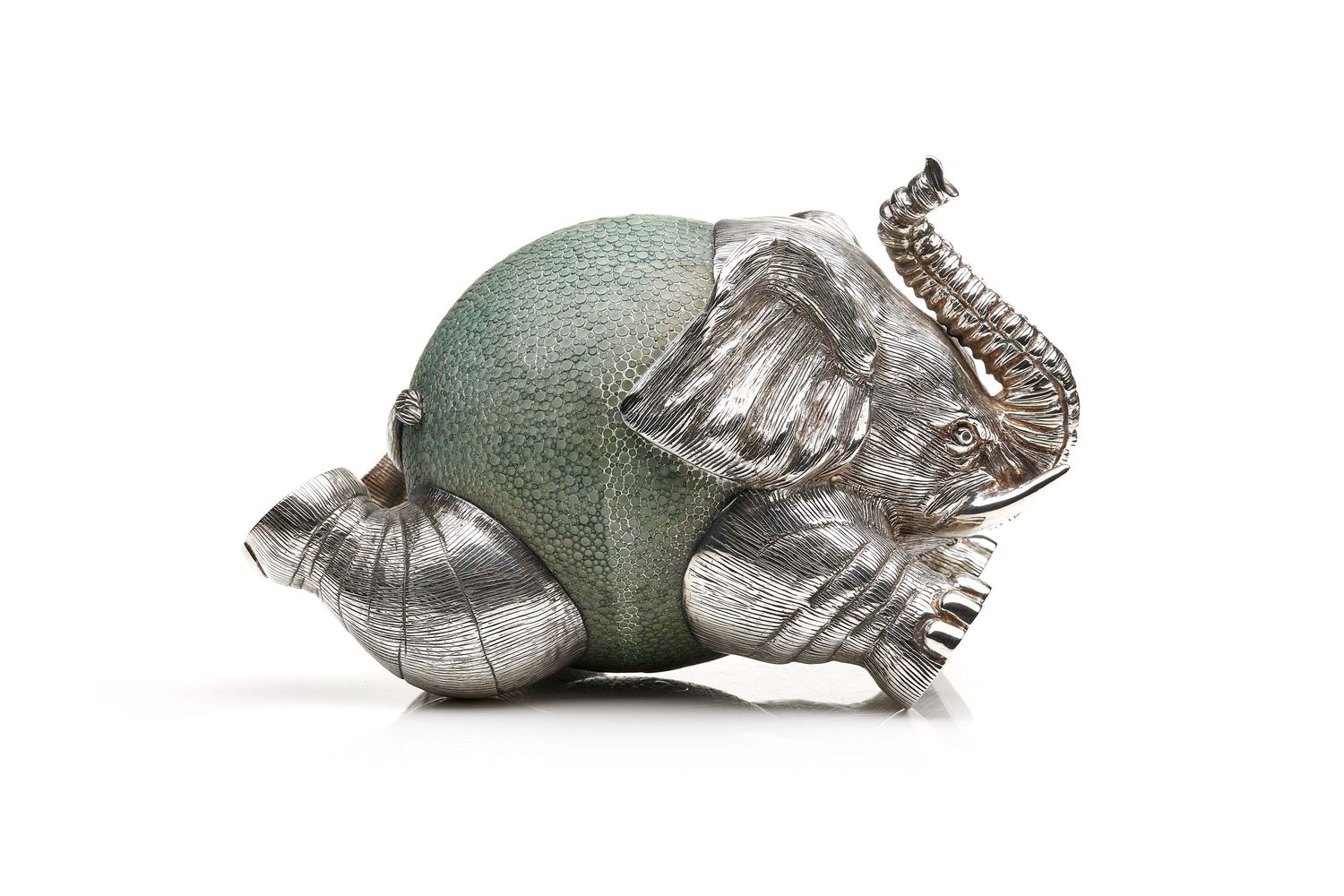
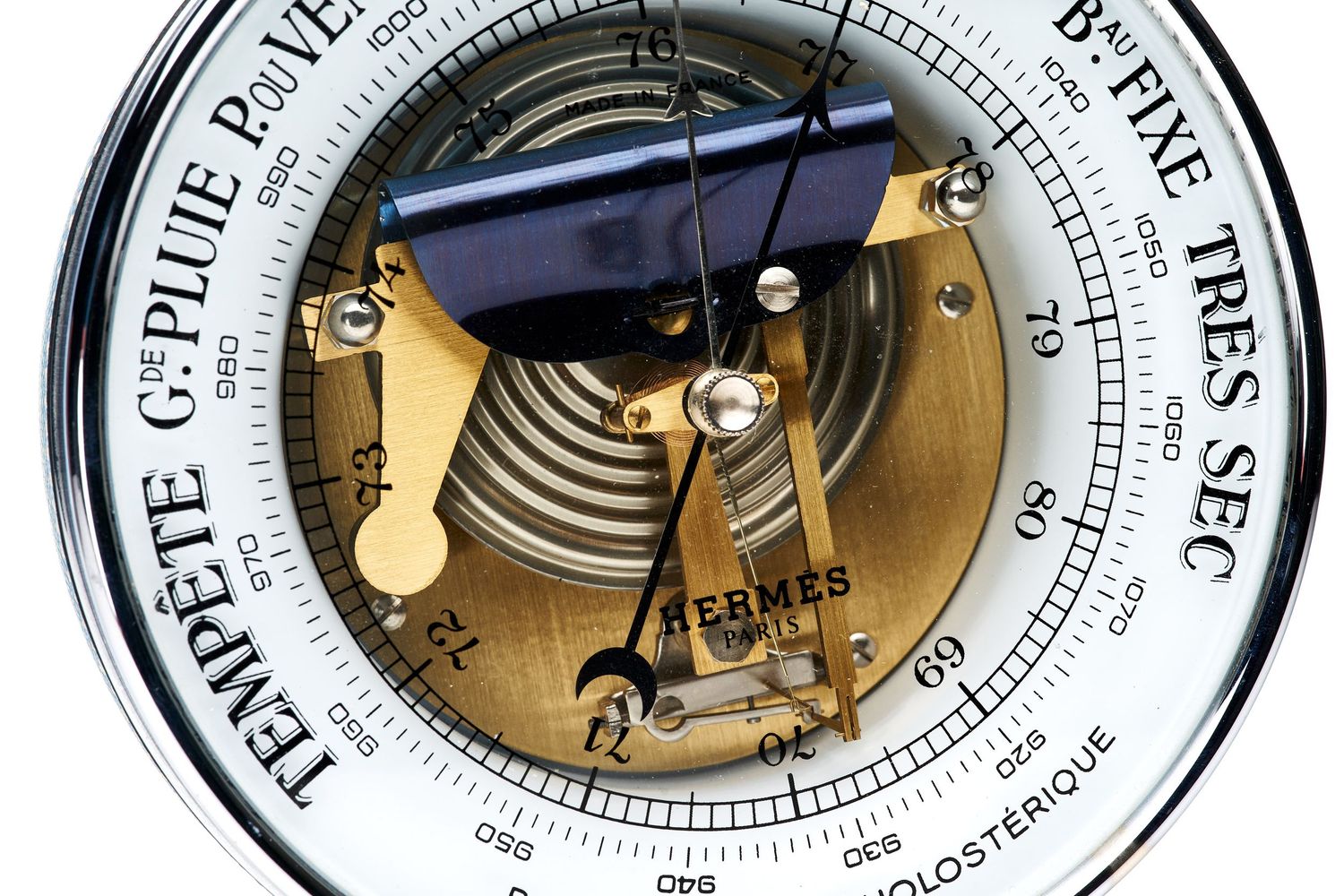
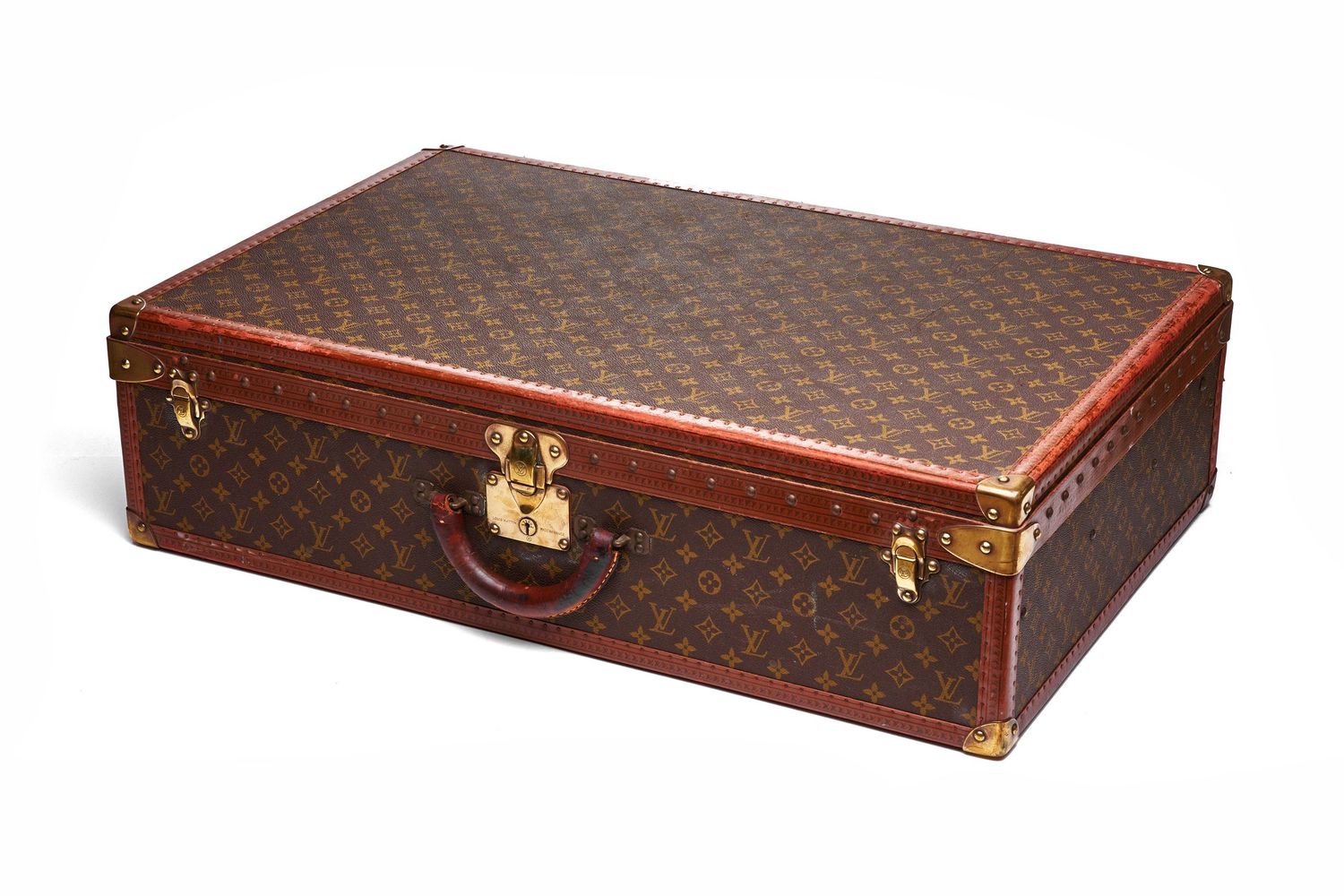
When shooting luxury antiques, authenticity and condition are first concerns. A buyer of vintage Hermes wants to see the quality and potential wear or damage.
This creates a problem for a photographer: "I want to shoot this to look its best, but maintain a feeling that this is a real object that has survived decades."
The answer? Light the product to perfection, with zero retouching required.
All my photography had to be perfect in-camera; any area that needed correction would be obvious next to a surface exposed to the elements for 20+ years. To achieve this, every material, texture, and shape needed its own bespoke lighting setup. This is because the interplay of light on these elements would change significantly from object to object. A misplaced shadow can make the condition look worse, distort the shape, or change the appearance of textures.
The four variables that actually move the number
Almost every brief opens with a SKU count. It's the least predictive number in the whole document.
These four matter far more.
Surface count, not SKU count
Forty matte ceramic pieces are one problem solved forty times. Once the first is right, the rest follow quickly.
Six pieces spanning polished steel, faceted glass, and brushed brass are three unrelated problems in a single day. Polished metal reflects everything around it — what you see in a chrome surface is a picture of the room, so the room has to be built. Faceted glass does the opposite: it transmits, refracts, and disappears against most backgrounds. Brushed brass has a directional grain that either reads as expensive metal or as a smudge, depending entirely on how it's lit relative to the camera.
None of those solutions transfer to the others. So a brief that says only twelve products has told me nearly nothing, while a brief that says twelve products: four polished, four matte ceramic, four with glass elements has told me almost everything I need.
This is the single biggest reason two honest quotes diverge. One photographer read the SKU count. The other read the finishes.
Usage and licence
The same file is a different commercial product depending on what you're allowed to do with it.
Web and social for eighteen months is one thing. Adding a print catalogue is another. Adding a trade-fair stand at two metres wide is another again. Perpetual, worldwide, all media — including uses neither of us has thought of yet — is the most expensive version, because you're buying the option on every future use at once.
The practical consequence: a quote that doesn't state a licence isn't a quote. It's an ambiguity, and ambiguities get resolved later, usually at the worst possible moment: the week you want to put the image on a stand and discover you licensed it for web only.
If you're comparing two numbers, check whether they cover the same permissions before you compare anything else. Frequently they don't, and that alone explains the gap.
How finished the file has to be
There's a wide gap between an image that is correct and one that is final.
Correct means well exposed, sharp, accurately coloured, properly composed. Final means the seam on the packaging is straight, the dust is gone, the reflection in the lid tells the story you want, the shadow sits where the layout needs it, and the file drops into the grid without the designer touching it.
That gap is measured in hours, and it is where budgets quietly die. A quote with one round of light retouching and a quote with full finishing to layout are not the same product, even when the shoot day is identical. If you have a designer who will finish files in-house, say so — it's a legitimate way to reduce the number, and I'd rather price for it than have you discover the deliverable isn't what you assumed.
Who carries the risk on the day
Product arrives scratched. The sample is the wrong colourway. The prototype doesn't stand up unaided. Marketing sees the first frames and wants a different crop at four in the afternoon.
Every one of these happens, and someone absorbs it. A quote priced on the assumption of a perfect day is cheaper than a quote priced on the day you'll actually have. Experience mostly shows up here — not as better pictures on a good day, but as a usable day when things go wrong.
What the cheap quote is leaving out
This isn't an attack on lower-priced work; for some jobs, it's the right call. But when a number is dramatically lower, it's usually because one or more of these aren't in it:
- A licence broad enough for what you actually plan to do
- More than one round of retouching
- Any styling, propping, or surface preparation
- A physical colour reference, if colour accuracy matters
- Any provision for a reshoot if something is unusable
Six questions before you compare two quotes
Ask both photographers the same six things. The answers will usually explain the entire difference:
- What licence is included, for what media, for how long, in which territories?
- How many final files, and does "one image" mean one angle or one product?
- How many rounds of retouching, and to what standard — corrected, or layout-ready?
- What happens if a product arrives damaged or a frame is unusable?
- Who is responsible for styling, props, and surface preparation?
- Have you shot these specific finishes before, and can I see that work?
If one quote answers all six in writing and the other answers none, you no longer have a price comparison. You have a specification comparison, and one of them is missing.
What I need before I can quote
If you want a number from me that will still be the number afterwards, send:
- The SKU list, with finishes: polished, matte, glass, plated, textured, transparent
- What the images are for, and where they'll appear
- Your deadline, and what's driving it
- Any layout or grid the files have to work inside
- Two or three references: for intent, not imitation
You'll get sent a structured quote broken out by shoot, finishing, and licence, so you can see what each part costs and adjust the parts you want to. Not a day rate. Day rates are how you end up with the wrong photographer for the surface in front of you.
Aleko Syntelis shoots commercial product, materials, and architectural photography in Athens, working across Greece and the EU. Previously in New York, producing commercial photography for luxury dealers and design-led brands.
Send me your SKU list and the surfaces involved, and you'll get a structured quote rather than a day rate.
View my portfolio