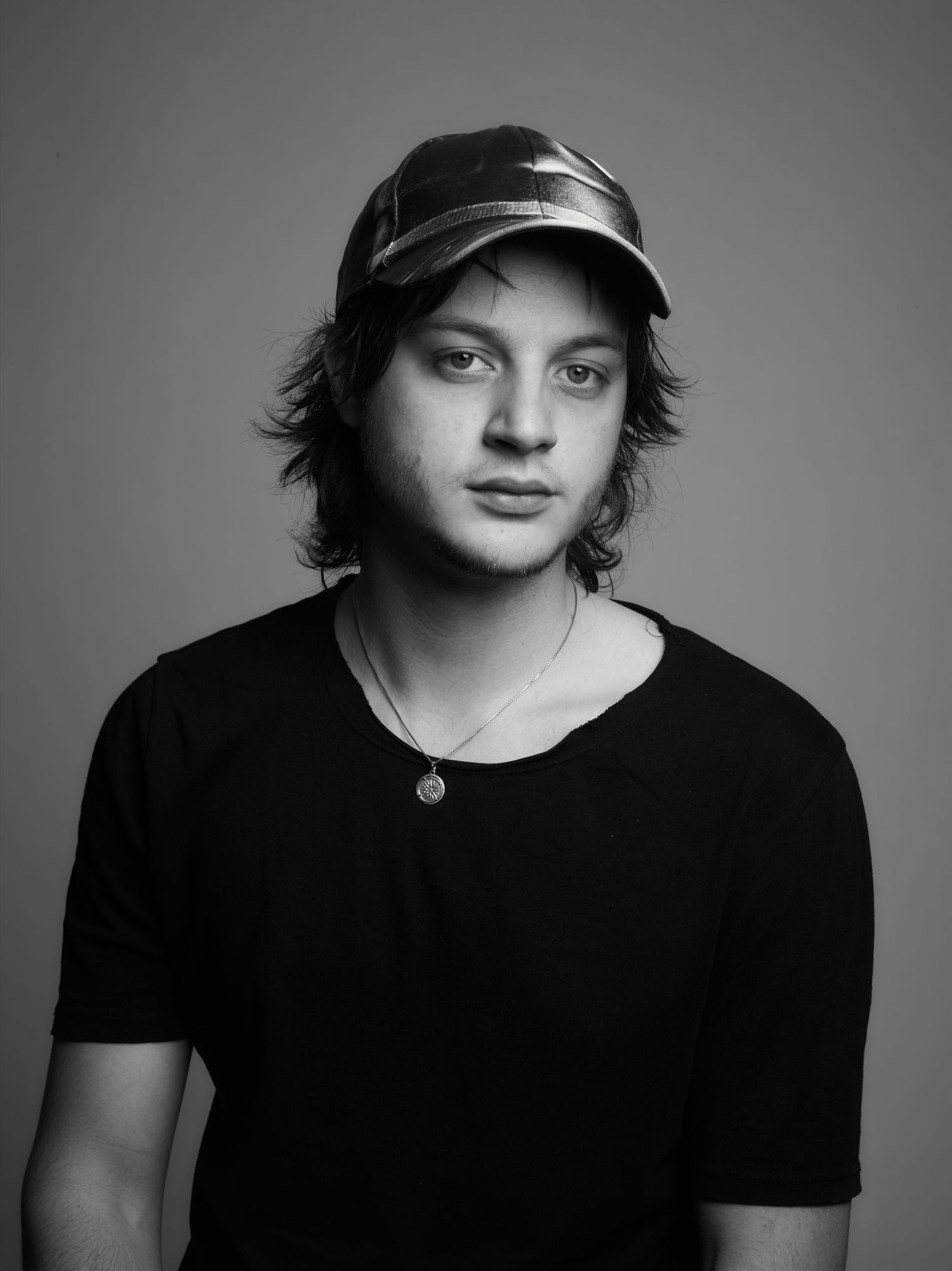
Aleko Syntelis
Commercial Photographer - Athens
As featured in
Past Clients
The work
Products and materials
Jewellery, objects, bottles, stones and surface samples. Studio work, controlled light, usually against a date set by a catalogue, a launch or a trade fair. The pieces that take the day are the ones combining finishes: polished metal set into stone, a matte body with a mirrored edge. Each part wants something different and the compromise has to be found rather than assumed. If you sell outside Greece, your imagery is judged next to work made in Paris and New York, and that is the standard I shoot to.
Architecture and interiors
What matters is how brass, plaster, timber and stone actually read, not how wide a room can be made to look. Stone and plaster want one approach, glass and metal another, and the room decides which. It is the same problem as a product at a different scale: moving light across surfaces until the materials become legible. Commissioned by architects, interior designers, hotels and materials brands who need their work shown installed. Styling is yours to bring. People in frame when the brief asks for life, not by default.
Fine art reproduction
For artists, galleries, estates and institutions. Colour is measured against the work rather than judged by eye, and the surface stays visible: brushwork, impasto, canvas weave, paper grain. Shot on site when the work cannot travel, including large and fragile pieces. Delivered as print-ready masters, or taken through to finished prints. I have three years of experience on a large format printer, working with artists and galleries, so the file and the print can be managed by the same person.
Commercial fashion & Beauty
E-commerce on model, lookbooks, campaign stills, and the close work where a product meets skin. Garments, jewellery and cosmetics are still materials, and leather, silk, stone, metal and cream behave on a person much as they do on a table, with less time to solve them. Beauty sits closest to the product work, since a lipstick or a serum has to read as itself in frame while the skin beside it stays convincing. It's the same problem as a polished case set into a matte body. I work mostly commercial rather than editorial, priced and delivered like product work, on a set image count with an agreed licence.
Who I've worked for
Seven years in commercial photography, most of it in New York, shooting for brands, dealers, and creative businesses. Syntelis Images has traded under its own name since 2022, and has been based in Athens since 2025.
The project I point to first is Mantiques Modern, a high-end vintage dealer in Chelsea, New York. Gold, silver, bronze, glass, leather, patina — the goal was to represent the quality of objects for people to confidently buy online without ever touching them. My client for about 5 years, my work allowed them to survive the storefront being closed during Covid by building their first website after 25 years of business and selling directly to clients with monthly catalogs. As a bonus, during that period their Instagram grew from roughly 1,500 followers to more than 11,000. I was not the only thing happening at that company. But photography developed their brand's aesthetic in the digital world.
How a project runs
You tell me what the images are for, where they'll appear, and what your deadline is. If there's an existing set the new work has to match, I'd rather see it before I start than match it afterwards. I'll send a written estimate once we have an understanding of the deliverables: fixed fee, the number of finished images, the licence spelled out rather than buried, revision rounds, and a delivery date set against your deadline rather than a standard turnaround. The licence covers the use you've described. Widening it later is a stated price, not a renegotiation.
References are useful even when they're not fully representative, which can happen. The work is figuring out what you were drawn to in that image, then finding the version of it that fits your product and brand. Copying the reference frame by frame tends to produce a picture that misrepresents the thing being sold.
Every object gets attention before anything is built: what needs cleaning or hiding, and the orientations where the form conveys the mood of the shoot. Pieces that combine finishes such as, polished metal set into stone, a matte body with a mirrored edge, are objects that take more setup and nuanced lighting, because each part wants something different and that balance can take time to be found.
Three things get settled in camera and are not repaired afterwards: how light sits on the surface, the geometry of the object, and its real colour. Files that fake any of the three look fine alone and fall apart next to the product.
For product photography, most of the day is setup. You're welcome on set but its important to consider how many people are needed since shoots can run slower as you add people, but decisions get made there instead of in a revision round the following week.
If selects were not made on-set, they come back corrected part of the way: exposure and contrast resolved, colour close enough to read the intent, not finished. You choose from those, and the finishing happens after the selection, so hours don't get wasted on files not used. Revisions are there in case I'm slightly off our initial brief and its not working the way you or I had hoped; anything past the brief is new work and gets quoted as such. Deliverables are whatever pre-production settled and the contract states. It's worth sorting out crop ratios in pre-production, since that's what people most often come back for.
If the budget won't stretch, I tend cut deliverables or scope rather than the standard. Fewer images or a less ambitious concept, finished the same way. And second projects run differently: the look is established, usually less time goes to creative. direction, new products drop into the aesthetic we have already built, and retained work is priced differently from a one-off.
The kit, and the reasons for it
Medium format — Fujifilm GFX — because a pavé setting or a honed stone finish falls apart when a client crops in, and clients always crop in. Profoto and Briese for flash. ARRI, HMI, and tungsten when something has to be lit continuously rather than frozen. Capture One and Photoshop for capture and finishing.